

The Enduring Charm of Spanish Style Homes Interior Design: A Guide to Rustic Elegance
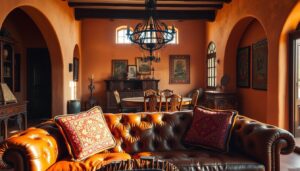
Spanish style homes interior design offers a timeless and captivating blend of rustic comfort, vibrant cultural history, and architectural drama. Drawing deeply from Spain’s rich past, particularly the influences of Moorish, Mediterranean, and Colonial styles, this aesthetic creates spaces that feel both grand and intimately welcoming. A successful Spanish style homes interior design is rooted in durability, natural materials, and an appreciation for intricate, handcrafted details. It is a look defined by thick, cooling walls, the earthy warmth of terracotta, the striking contrast of dark wrought iron, and bursts of colorful, patterned tiles.
If you are captivated by the idea of living in a sun-drenched sanctuary that tells a story of Old World craftsmanship and effortless elegance, adopting the principles of Spanish style homes interior design is the perfect path. This style is not about fleeting trends; it’s about creating an atmosphere that is deeply rooted, comfortable, and built to last. This comprehensive guide will walk you through the essential elements—from architectural features to furniture and finishing touches—needed to authentically recreate the soulful beauty of this magnificent design tradition in your own home.
Architectural Foundations – Walls, Floors, and Ceilings
The most distinguishing features of Spanish style homes interior design begin with the structure itself, emphasizing natural textures and fluid forms.
- Textured Plaster Walls and Stucco
Walls in Spanish homes were traditionally built thick to provide insulation against the heat, leading to a signature look.
- The Rustic Finish: The authentic look requires texture. Walls are typically finished with stucco or rough plaster, often hand-troweled, giving them a rich, slightly imperfect texture. This texture diffuses light softly and creates an old-world, tactile feel.
- Warm Neutrals: The color palette for the walls is usually kept simple and warm: chalky white, creamy ivory, or a soft, sun-baked beige. These light, earthy tones reflect light beautifully and act as a neutral canvas for the colorful accents.
- Arches and Niches: Arched doorways, windows, and built-in wall niches (nichos) are quintessential. They soften the heavy structure, create visual flow, and provide perfect spots for displaying artisanal pottery.
- Terracotta and Dark Wood Flooring
The flooring choice is crucial for establishing the cool, grounded feel of Spanish style homes interior design.
- Terracotta Tiles: Terracotta (earthenware) tiles in warm, reddish-brown, or orange tones are the most iconic flooring choice. They are durable, naturally cooling, and their slight imperfections add historical charm.
- Dark Wood Planks: Alternatively, dark-stained, wide-plplank wooden floors (often in walnut or mahogany) are used, particularly in bedrooms or more formal living areas. The dark wood provides a striking, rich contrast to the light walls.
- Area Rugs: To soften the hard surfaces, handwoven rugs in vibrant patterns (often Persian, Turkish, or traditional Mexican sarape styles) are used strategically to anchor furniture groupings.
- Exposed Wood Beams (Vigas)
The ceiling adds vertical depth and rustic character.
- Heavy Timber: Dark-stained, rough-hewn exposed wood beams (vigas) are a hallmark of the style. They are often left untreated or stained a deep brown, contrasting dramatically against the light, often white-washed ceiling underneath.
The Color Palette and Patterned Tiles
The Spanish style homes interior design palette is a lively mix of the earth, the sky, and artisanal decoration.
- Earthy Base and Vibrant Accents
The palette strikes a balance between grounding neutrals and spirited, jewel-toned color pops.
- Earthy Tones: The base consists of creams, sand tones, deep browns (from wood), and terracotta reds. These colors ground the space and provide warmth.
- Vibrant Hues: Color is introduced through vivid accents inspired by the Mediterranean: deep cobalt blue, emerald green, saffron yellow, and rich ruby red. These are used sparingly but effectively.
- Metals: The primary metal is dark wrought iron, providing a strong, historical contrast. Accents of polished brass or copper are sometimes used for warmth.
- The Magic of Azulejo Tiles
No element is more visually representative of Spanish style homes interior design than the azulejo—the hand-painted, glazed ceramic tile.
- Strategic Placement: Use these patterned tiles for high-impact areas: kitchen backsplashes, lining the inside of wall niches, as stair risers, fireplace surrounds, or surrounding a bathroom mirror.
- Moorish Influence: Look for complex geometric, floral, or star patterns, often featuring the signature combination of cobalt blue and yellow/orange against a white background. The tiles provide the perfect concentrated dose of color and history.
Furniture and Metalwork – Robust and Ornate
Furniture in Spanish style homes interior design is substantial and often features ornamental details rooted in fine craftsmanship.
- Heavy, Hand-Carved Wood Furniture
Spanish furniture pieces should look like heirlooms—heavy, durable, and commanding attention.
- Substantial Pieces: Focus on robust, dark-stained wood pieces—large dining tables, heavy armoires, and substantial console tables. They often feature turned legs, intricate carving, or visible wrought iron hardware.
- Leather Upholstery: Distressed, dark brown leather is a classic choice for dining chairs, accent seating, and occasional pieces. It adds texture, ages beautifully, and complements the heavy wood perfectly.
- Simple Seating: Sofas are typically comfortable and deep-seated, often upholstered in natural fabrics like heavy linen, simple woven cotton, or subtle velvet in a neutral or rich jewel tone.
- The Drama of Wrought Iron
Wrought iron (hierro forjado) is the metallic thread that ties together the Spanish style homes interior design.
- Lighting Fixtures: This is the most important application. Choose large, scrolling wrought iron chandeliers, wall sconces, and hanging lanterns. They should have a dark, matte finish and often feature dramatic, curving lines.
- Architectural Detail: Use wrought iron for stair railings, window grilles (rejas), and heavy door hardware (hinges and pulls). The dark metal against the light plaster walls creates a striking visual contrast.
Textiles and Finishing Touches
The final layer adds the comfort, warmth, and curated feeling essential to a true Spanish home.
- Layered Textiles for Comfort
Textiles soften the hard materials (stone, wood, iron) and add cozy texture.
- Handwoven Rugs: Rugs are crucial for warmth and color. Look for heavy, handwoven wool or natural fiber rugs in colors that complement the tile accents.
- Cushions and Throws: Use embroidered cushions, textured linens, and heavy, colorful throws on seating. The fabrics should feel artisanal and luxurious, reflecting the global influences of the style.
- Pottery, Art, and Accessories
Accessories should look authentic, handmade, and collected over time.
- Artisanal Pottery: Display large, rustic ceramic and terracotta pots, pitchers, and urns—both glazed and unglazed. These are perfect for niches, tabletops, and floor corners.
- Mirrors and Artwork: Use heavy, ornate mirrors with carved wood or iron frames. Artwork often features Spanish landscapes, religious iconography (in Colonial Revival), or rich, colorful tapestries.
- Bringing Nature In: Simple, natural accents like fresh citrus fruit in a bowl, potted olive trees, or dried flowers in a simple vase reinforce the connection to the Mediterranean landscape.
The beauty of Spanish style homes interior design lies in its unpretentious, durable elegance. By prioritizing textured walls, dark wood, colorful ceramic tiles, and dramatic wrought iron accents, you can successfully transform your home into a sanctuary that feels both deeply rooted in history and wonderfully inviting. This style is a celebration of life, light, and enduring craftsmanship, offering a warm retreat that will remain timeless for generations.